
Schools Anti-Bullying and Disability Workshop – February 21, 2026
The Schools Anti-Bullying and Disability Workshop was successfully held on 21 February 2026 in Whitecliffe, Zvimba, bringing together 105 delegates made up of school children, teachers, and local business representatives. The workshop provided a vital platform for dialogue, learning, and collaboration around reversed inclusion, child protection, and disability rights within school communities.
The event was honored by the presence of the Community Relations Liaison Officer (CRLO), who is responsible for community policing and serves as a critical link between law enforcement and the public. In his address, the CRLO expressed grave concern over the alarming rise in child rape and abuse cases, noting that children living with disabilities remain among the most vulnerable groups in Zimbabwe. He clearly outlined the country’s legal framework on child protection, emphasizing reporting mechanisms, the responsibilities of communities, and the serious consequences faced by offenders under the law.
A key highlight of the session was his detailed unpacking of the Cyberbullying Act, a recently enacted piece of legislation. He emphasized the importance of responsible digital behavior, explained the legal implications of online harassment, and stressed the collective duty of schools, parents, and communities to protect children in both physical and virtual spaces.
The workshop also benefited from the practical insights of Mrs. Margaret Chizema, a respected school principal in the district, who shared real-life experiences in handling bullying cases within schools. She underscored the urgent need for coordinated prevention strategies, stronger school–community partnerships, and consistent engagement with learners to create safe and inclusive learning environments.
As a representative of the Zimbabwe Anti-Bullying Society (ZABS), I formally introduced the organization, outlining who we are, our mission, and our growing operational footprint. Participants were also informed about our social media platforms and the various ways schools, parents, and community members can actively support and contribute to our work in promoting safe, inclusive, and dignified spaces for all children.
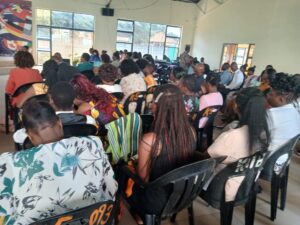
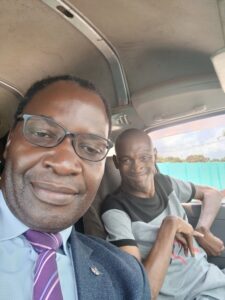
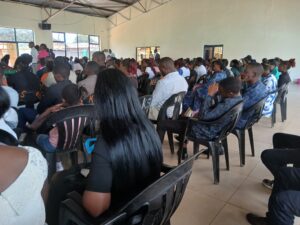
Photos from the Schools Anti bullying and disability workshop 2026